What should I freeze-dry first?
Short answer: Start with one easy, low-fat food cut into even pieces. Harvest Right names strawberries, apples, peas and sweet corn as the easiest first foods. Run one food per load in a single layer, and save fatty, very sugary or thick foods until you've done a few batches. Meat, poultry, seafood and eggs always need cooking first.
Easy first foods teach you how your machine behaves, how long a load takes in your room, and what "really dry" feels like. Here's a simple order to learn in.
Updated: Oct 28, 2026
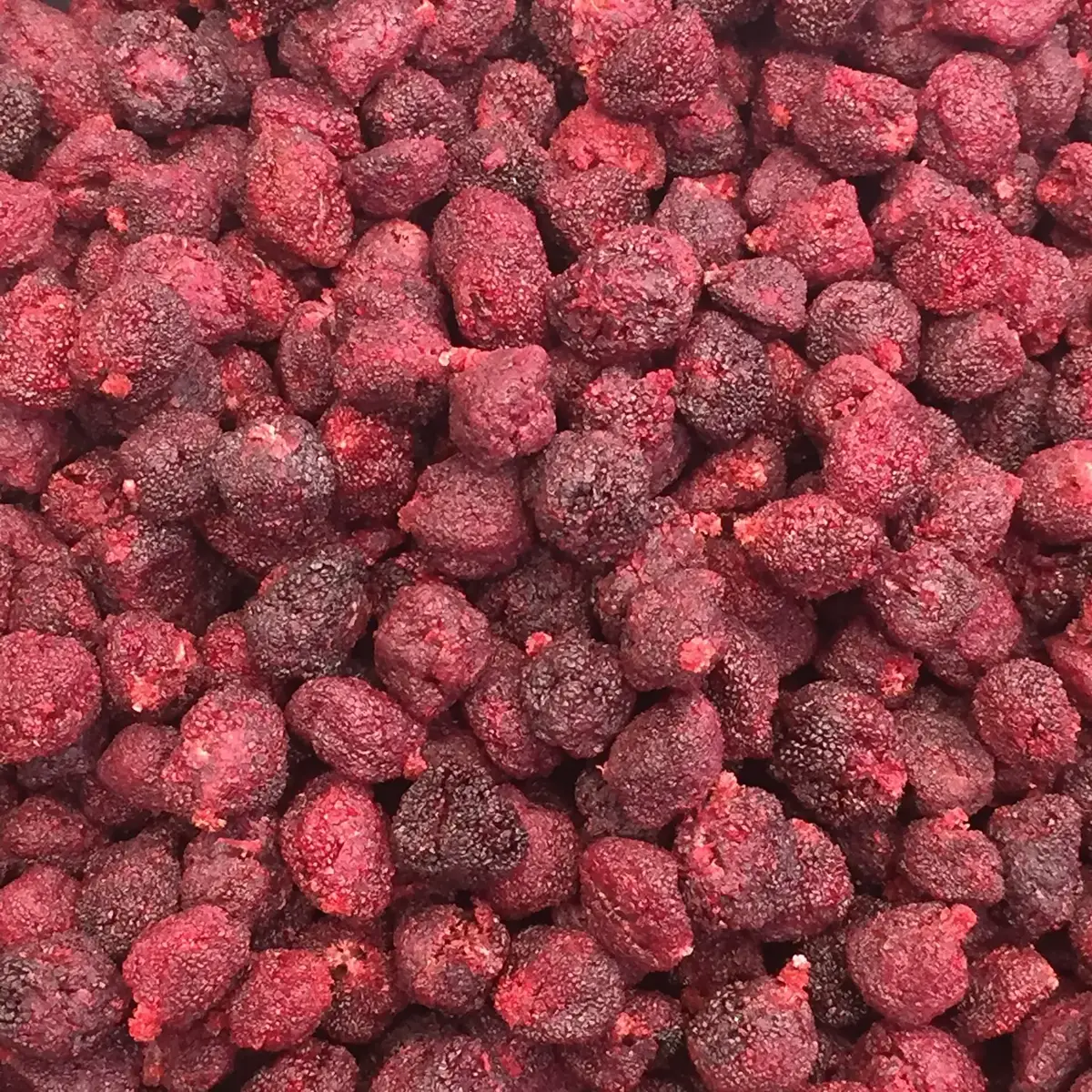
Four easy first foods
These are the four Harvest Right calls the most approachable for beginners (Harvest Right beginner guide (opens in a new tab)):
| Food | Prep | Why it's easy |
|---|---|---|
| Strawberries | Wash, hull and slice evenly | Sliced berries are easier to check than large whole ones |
| Apples | Wash, core and slice; browning prevention is optional | Affordable and easy to slice evenly |
| Peas | Use prepared fresh or frozen peas | Little or no cutting |
| Sweet corn | Use prepared kernels (blanched or cooked) | Spreads in an even layer |
Good next steps
Bananas and carrots
Slice bananas into similar-sized pieces. Carrots are a first lesson in blanching: Utah State University Extension recommends blanching or steaming vegetables first (USU Extension).
Blueberries
Their skins trap moisture, so pierce them or cut them in half before they go in. Harvest Right gives the same advice for grapes.
Pineapple and other sugary fruit
Sugar makes them trickier. Don't overload the trays, and check dryness carefully. Sugary foods can take longer and may not turn as crisp.
Cooked rice and cooked chicken
Cool cooked rice promptly. Cook chicken to 165 °F first (USDA safe temperature chart), cut it small and trim the fat. Save these until after a fruit or vegetable batch.
Save these for later
- High-fat foods: oils, butter and mayonnaise are poor candidates (Harvest Right).
- Very sugary foods: honey and syrups don't freeze-dry well as they are (Harvest Right).
- Thick, dense dishes: large pieces and deep casseroles dry unevenly; smaller portions and even thickness help (Harvest Right). USU Extension notes casseroles can take more than 2 days.
- Raw meat, seafood and eggs: freeze-drying doesn't cook food or kill germs. Cook first and use pasteurized dairy. See Food safety.
The full list, with the reasons, is on foods that don't freeze-dry well.
A simple three-batch plan
- Batch 1: sliced strawberries or apples. Practice slicing, loading, the done check and packaging.
- Batch 2: peas or corn. Practice vegetable prep, and try rehydrating some.
- Batch 3: a cooked ingredient such as rice. Practice handling prepared food and drying it all the way.
Based on Harvest Right's beginner plan. It fits the order in our start guide: fruit, vegetables, meals, and candy.
Whatever you start with
Cut even pieces, lay them in a single layer, and keep food below the rim of the tray. Harvest Right calls overloading one of the most common mistakes (common mistakes (opens in a new tab)). When the cycle ends, break open several of the thickest pieces from different trays before you bag anything. The 60-second done check walks through it, and still soft or chewy? covers what to do if it isn't done.
Common questions
What is the easiest food to freeze-dry first?
Harvest Right names sliced strawberries, apples, and prepared peas or sweet corn as the easiest. They're simple to prepare, spread evenly on trays, and are easy to check for dryness.
Can I freeze-dry different foods in the same batch?
Often, but foods with different thickness, sugar or moisture dry at different rates, which can leave some of them underdone. Harvest Right says beginners get more predictable results running similar foods together. We suggest one food per load for your first batches.
Should a beginner start with meat?
Fruit and vegetables are easier. If you do meat, cook it first: freeze-drying doesn't cook food or kill germs. USDA's safe minimum internal temperature for poultry is 165 °F; see the USDA chart for other meats.
Do vegetables need to be blanched first?
Usually. Utah State University Extension recommends blanching or steaming vegetables before freeze-drying to inactivate enzymes and preserve color, flavor and nutrients. Harvest Right says many vegetables benefit from blanching or other preparation first.
Is candy a good first batch?
Candy is popular and fast (Harvest Right says a few hours), but Harvest Right runs it with its own candy settings. We suggest learning on simple fruit first, so you know how your machine handles a normal food batch.