How long does a freeze-dryer batch take?
Short answer: Plan on about a day, sometimes more. Harvest Right says most batches run 13 to 35 hours, and the University of Arizona Extension says freeze drying usually takes 20 to 40 hours. Thick, sugary or fatty foods take longer. The timer is only a guide. The batch is finished when the food passes the done check.
The time on the screen is an estimate, not a promise. Here's what stretches a batch, what helps it along, and how to plan around it.
Updated: Oct 22, 2026
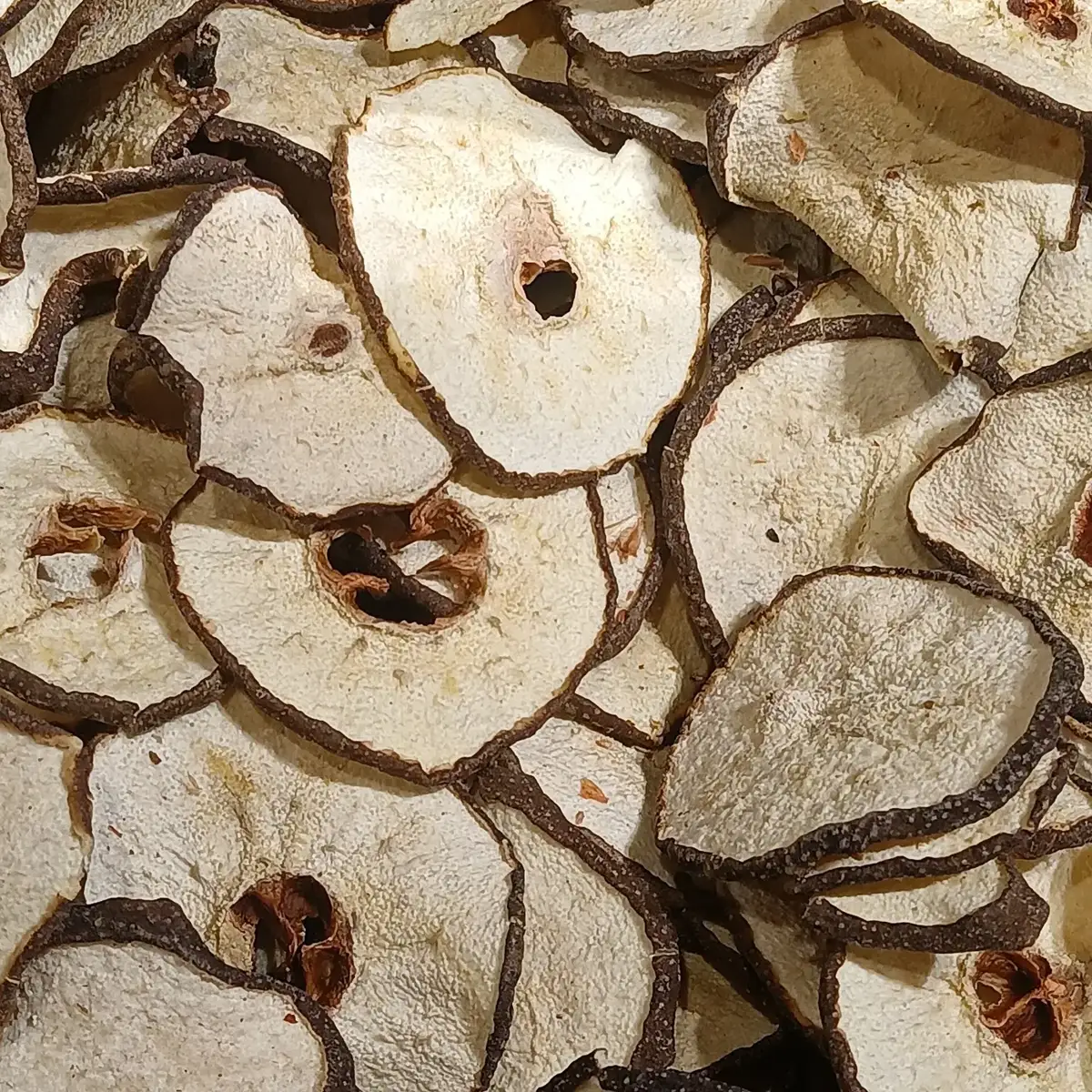
What the machine is doing all that time
A batch runs in three stages, as Utah State University Extension describes it: it freezes the food solid, then pulls the ice out as vapor under a vacuum, then uses gentle heat to remove the last bits of moisture. The machine moves through the stages on its own. Your job is mostly to load it well and check the food at the end.
What makes a batch take longer
Thick pieces
Thickness drives dry time more than anything you set. Extension guidance suggests keeping most foods between ¼ and ½ inch thick, and meat pieces no thicker than about ¾ inch (USU Extension, citing University of Arizona Extension).
Sugar and fat
High-sugar foods hold on to water, and fat doesn't freeze the way water does, so both slow things down (USU Extension). Harvest Right names dense foods and high-sugar foods like pineapple as ones that stretch the cycle (Harvest Right (opens in a new tab)).
Big, dense dishes
Thick foods such as meat or casseroles can take more than 2 days to dry fully. USU Extension suggests freezing them in small portions first rather than drying a whole casserole at once.
A warm room
Harvest Right says warmer rooms lengthen the cycle. USU Extension says home units work best between 45 °F and 80 °F with good ventilation, and that spots outside that range, like some garages and basements, make them less efficient and strain the machine.
What helps
- Pre-freeze. Freezing food in your freezer first helps it dry faster and more evenly (USU Extension). Harvest Right's manual says ideally 48 hours; other brands differ, so check yours.
- Even slices, one layer. Cut small, uniform pieces and lay them in a single layer with space between them. Nothing stacked, nothing above the rim.
- One food per load. Mixed trays dry unevenly, and the slowest piece sets the finish time.
- Candy is the exception. Harvest Right says candy can finish in just a few hours.
When the timer ends
A finished cycle doesn't always mean food that's dry all the way through. Before you bag anything, run the 60-second done check: break the thickest piece and look for cold spots or a bendy middle, then weigh a tray, add dry time, and weigh again. USU Extension says dried food should feel crisp, dry or brittle, with no cold or soft spots. If you're not sure, add dry time; Harvest Right says you can add as much as you need.
It matters for more than texture. Any low-oxygen package (oxygen absorbers or vacuum sealing) is only safe when the food is completely dry. See Food safety for the rest.
Planning around it
With a 13 to 35 hour range, a batch you start in the evening may be done the next evening, or it may run into the day after. Thick or juicy loads can take longer still. A simple notebook log (date, food, tray weight in and out, and hours) turns that range into your own numbers after a few batches. Longer batches also use more power; here's how to estimate electricity per batch.